


Chancellor Rishi Sunak has announced sweeping changes to national insurance contributions (NICs) that will see a typical employee saving over £330 a year from 6 July 2022.
The change comes as part of the Spring Statement, with other key announcements, which we will round up below, including the basic rate of tax being cut by 1 percentage point from April 2024.
NICs to be cut from July 2022
Under the shake-up to NICs, the threshold at which workers start to pay national insurance from will rise to £12,570 on 6 July 2022.
The current rate at which national insurance is due is £9,880, which rose from £9,568 at the start of the 2022/23 financial year on 6 April 2022.
The increase in the threshold equates to a tax saving of over £330 for a “typical employee” and will benefit almost 30 million working people, according to HM Treasury.
It says 70% of those who pay NICs will pay less of it from 6 July 2022, while 2.2 million people will be taken out of paying NICs altogether.
But planned increases to NIC rates, announced last September, will continue as planned from 6 April 2022. Rates will rise by 1.25%.

How much more or less you’ll pay in NICs
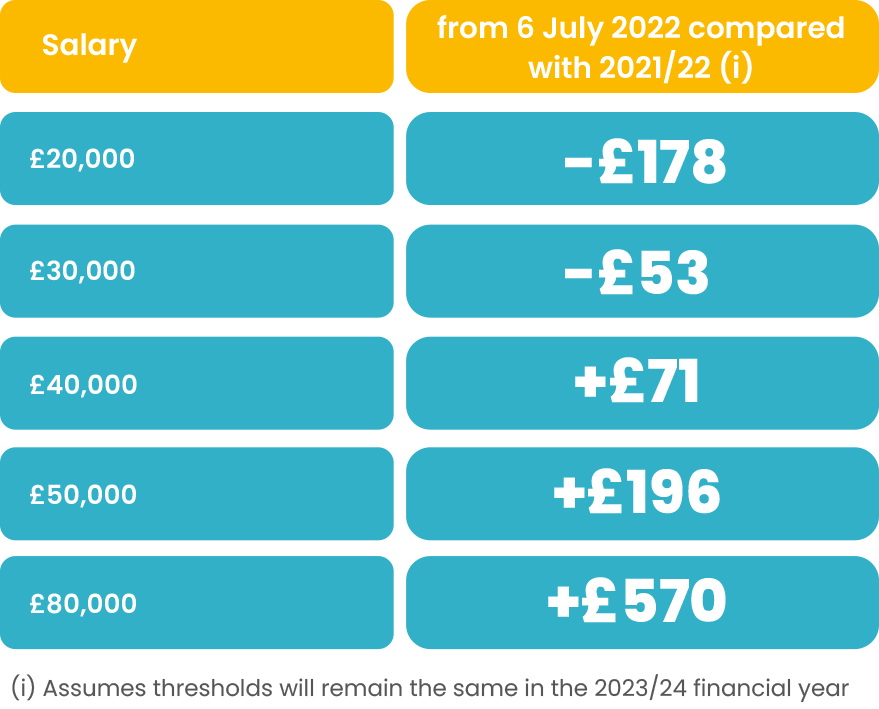
If you earn under £35,000, you’ll pay less national insurance from July
Under the shake-up, most will pay less national insurance from 6 July 2022 when compared with the last financial year, 2021/22.
The table to the left details how this will affect those on the following example salaries.
How much tax will I pay on dividends?
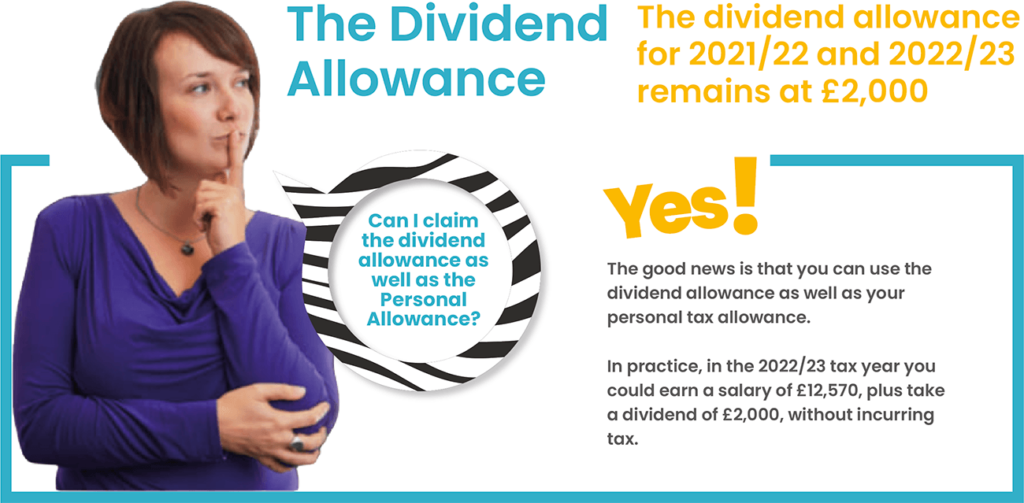
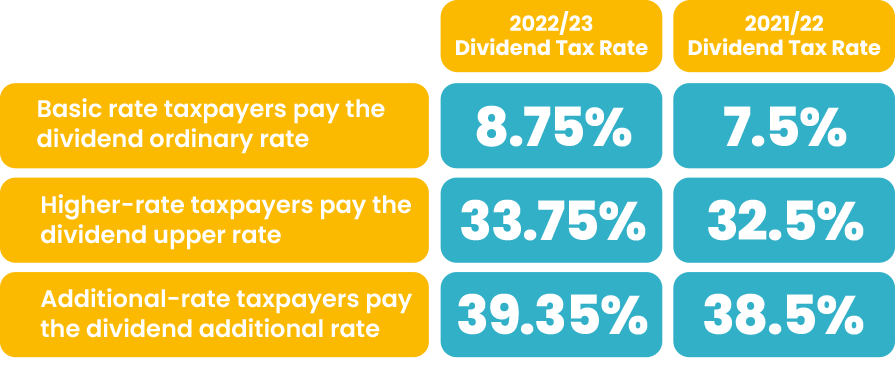
The rate of dividend tax that you pay depends on which rate of income tax you pay. You can work out which tax band you’re in by adding the total amount of your dividend income to your other income in the same tax year.
Don’t forget to deduct your personal allowance and dividend allowance!
Basic rate of income tax to be cut from April 2024
Workers will see the basic rate of income tax in England, Northern Ireland and Wales fall by 1% from 20% to 19% from April 2024. This tax rate is currently paid on earnings between £12,571 and £50,270 a year (or across your entire earnings on a second job if you have one). The shake-up means someone earning £25,000 a year will pay roughly £125 a year less in income tax, for example.
The Treasury has confirmed there is no change to the 40% and 45% income tax rate for higher earners. Income tax thresholds – the rate at which you start paying income tax – are currently frozen until 2026, as announced in the Budget 2021.
In Scotland, income tax rates are set by the devolved Scottish Government. It has said it has no plans to change rates at present, and a budget isn’t due until the second half of the year. Currently, the lowest rate of tax in Scotland is set at 19%, though this is due on earnings between £12,571 and £14,667, while its basic rate tax of 20% is due on earnings from £14,668 to £25,296.
If you have any questions about how these changes affect you specifically, please contact your Account Manager, who can discuss this with you, or you can request a copy of our full Income Tax and National Insurance Guide.


 Zoo Accounting